License Plate Frames: Silicone vs. Metal
The cheapest part on the truck can still rattle, rust, and chew paint. How a car man picks a frame — and the one fit check to run before you buy.
Updated October 23, 2026 · Research-based guidance, not a hands-on test claim
Why silicone wins the daily-driver test
Silicone is soft, so the frame can't buzz against the plate at highway speed, and it can't rust — ever. The soft edge also won't bite into paint or clear coat when a tailgate slams or a wash brush passes over it. For a truck that works every day, boring and silent beats shiny.
Where metal still makes sense
A rigid metal frame holds crisp lettering and a squared-off look some drivers want, and a quality powder coat lasts. The trade-offs are real: metal on metal can rattle, and once the coating chips, rust starts at the chip. If you go metal, check the coating terms and put thin foam pads behind the corners.
The fit check nobody runs
US plates are a standard 6 by 12 inches, but frames differ on mounting holes — two versus four — and on how much of the plate edge they cover. Many states require the state name and registration stickers to stay fully visible, and a frame that covers them can earn you a stop. Count your holes and check your state's rule before you order.
What carries the seal here
Our shelf pick is the Aujen silicone frame in a black 2-pack — one for each end of the truck, or a spare for the trailer. It carries the Perfect Ride Pick seal with its check date printed on the card, like every pick in this shop. Below it sit the checked exterior-protection picks drivers usually grab in the same breath.
How we use Amazon links
As an Amazon Associate I earn from qualifying purchases. Products below are Amazon paid links with original FMPR context. Amazon and the seller control price, availability, compatibility, shipping, and returns.
The picks, with their check dates.

Universal U.S.-size rust-proof, weather-proof and rattle-resistant plate frames

Heavy-Duty Exterior Protector for Mustang (1994–2026) & Camaro (2010–2026)
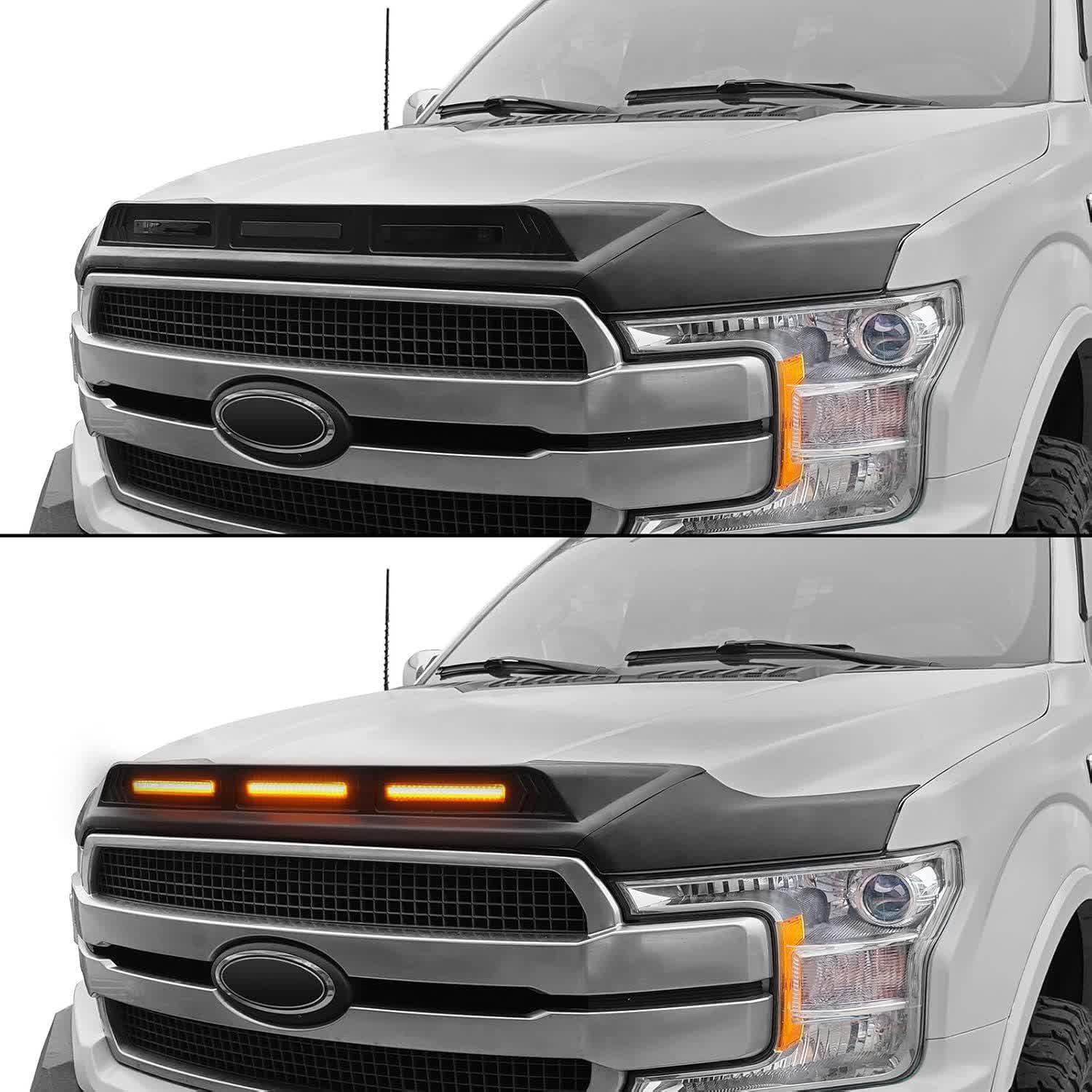
A hood bug deflector with integrated amber marker lights for the 2015–2020 F-150
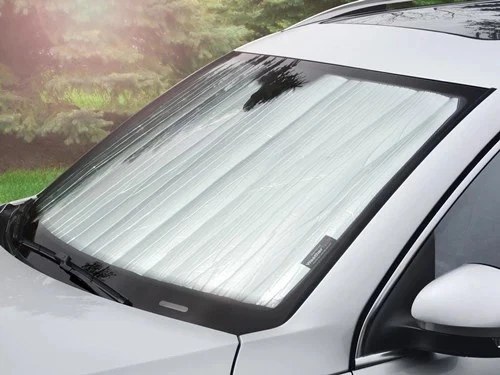
WeatherTech's custom-fit windshield SunShade for the Escalade ESV, Escalade, and Yukon — cut for the glass, not a universal fold-up